
The Fluid Learning News+
What Should You Do First at a Roadside Emergency? (Australia Guide)
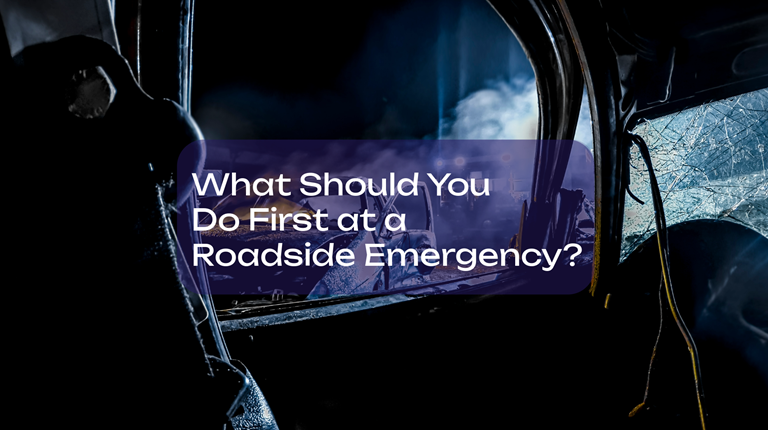
Roadside Emergencies Can Happen Anywhere
From everyday commuting to long-distance travel, roadside emergencies can happen unexpectedly.
During National Road Safety Week, it is a timely reminder that being prepared and knowing what to do in an emergency can make a significant difference.
Whether you come across:
- A vehicle accident
- An injured driver or passenger
- A roadside breakdown
- A medical emergency while travelling
Knowing the right first aid priorities is important.
What Should You Do First at a Roadside Emergency?
One of the most important things to remember is:
Your safety comes first – Remember your DRSABCD
Before assisting anyone:
- Assess the scene
- Check for traffic hazards
- Avoid putting yourself in danger
Important first steps may include:
- Pull over safely
- Turn on hazard lights
- Use a warning triangle if available
- Wear a high-visibility vest if safe to do so
- Call emergency services if required
A roadside emergency can quickly become more dangerous if the scene is not managed safely.
When Should You Call 000?
Call emergency services immediately if:
- Someone is unconscious
- There are serious injuries
- There is heavy bleeding
- A person is trapped
- The scene is unsafe
- There is risk of fire or explosion
If in doubt, call 000.
Why First Aid Training Matters in Roadside Emergencies
In stressful situations, people often panic or are unsure what to do.
First aid training helps people:
- Stay calm
- Assess situations more effectively
- Prioritise safety
- Provide basic assistance until emergency services arrive
Common roadside first aid situations may include:
- Bleeding injuries
- Shock
- Burns
- Fractures and sprains
- CPR emergencies
Even simple first aid knowledge can help improve confidence and response during emergencies.
CPR & Defibrillators Can Save Lives
Cardiac arrest can happen anywhere — including on the road.
Knowing:
- CPR
- How to recognise cardiac arrest
- How to use a defibrillator (AED)
can make a significant difference before paramedics arrive.
Important reminder:
Early CPR and defibrillation are critical during cardiac arrest emergencies.
What NOT to Do at a Roadside Emergency
Avoid:
- Standing in active traffic lanes
- Moving injured people unnecessarily
- Putting yourself at risk
- Forgetting to call emergency services when needed
Safety should always remain the priority.
Vehicle First Aid Preparedness Matters Too
Having a properly stocked vehicle first aid kit can help you respond more effectively to:
- Minor injuries
- Roadside incidents
- Travel emergencies
Important items may include:
- Dressings and bandages
- Gloves
- CPR protection
- Burn treatment supplies
- Emergency blanket
Many people store a first aid kit in their vehicle but never review the contents.
Remote & Regional Travel Requires Extra Preparation
Travelling outside urban areas may increase:
- Emergency response times
- Delays accessing medical help
- The importance of being self-prepared
Remote travel kits may include:
- Snake bite bandages
- Trauma dressings
- Additional supplies for delayed assistance
Trainer Insight
One of the biggest things first aid training helps with is confidence. In emergencies, people often know more than they think — but training helps them stay calm, prioritise safety, and respond more effectively under pressure.
Why First Aid Training Is Worth Considering
First aid training is not just for workplaces.
Many people choose to complete first aid or CPR training to feel more prepared for:
- Family emergencies
- Travel and road trips
- Sporting activities
- Everyday situations
Roadside emergencies are another reminder that emergencies can happen anywhere.
Stay Prepared During National Road Safety Week
National Road Safety Week is a good opportunity to:
- Review your vehicle first aid kit – Here is a handy Checklist
- Think about roadside preparedness
- Refresh first aid knowledge
- Consider CPR or first aid training
Small steps in preparedness can make a significant difference in emergencies.
Frequently Asked Questions
What should you do first at a roadside emergency?
Prioritise safety, assess hazards, and call emergency services if required.
Should you move injured people after a car accident?
Only if there is immediate danger, such as fire or traffic risk.
Why is CPR important in roadside emergencies?
Cardiac arrest can occur anywhere, and early CPR significantly improves survival chances.
Is first aid training useful for everyday people?
Yes — first aid skills can help in workplaces, homes, travel, sport, and roadside emergencies.
Leave a Reply
You must be logged in to post a comment.