The Fluid Learning News+
Choking First Aid: Would You Know What to Do? (Australia Guide)
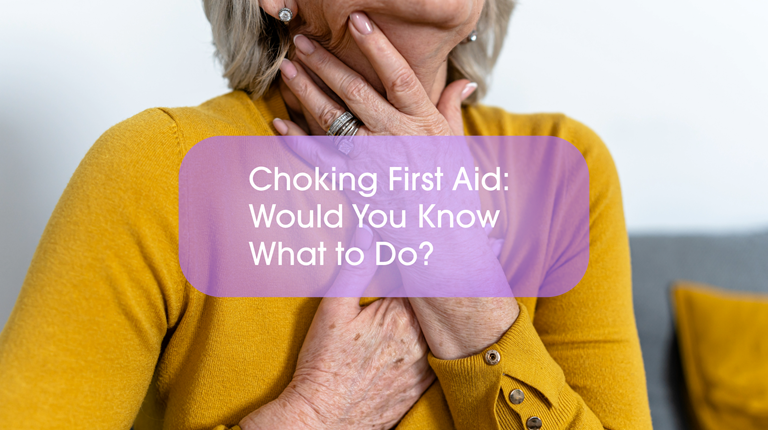
Could You Recognise a Choking Emergency?
It can happen anywhere.
A family barbecue. A restaurant. A workplace lunchroom. A sporting event. Even around your own dining table.
One moment someone is eating and talking normally. The next, they’re unable to breathe or speak.
Choking emergencies develop quickly, often without warning, and knowing how to recognise the signs and respond appropriately can make all the difference while emergency services are on their way.
That’s why choking management forms an important part of accredited first aid training.
What Is Choking?
Choking occurs when an object blocks the airway, making it difficult or impossible for a person to breathe.
The obstruction may be partial, allowing some airflow, or complete, preventing air from reaching the lungs altogether.
While food is the most common cause, choking can also occur when small objects are accidentally inhaled or swallowed.
Although young children are often considered the highest-risk group, choking can happen to anyone, regardless of age.
Recognising the Warning Signs
One of the most valuable first aid skills is recognising when someone needs immediate help.
Signs that a person may be choking include:
- Difficulty breathing
- Difficulty speaking
- Persistent coughing
- Wheezing
- Clutching at the throat
- Obvious distress or panic
A person with a complete airway obstruction may be unable to cough or speak and can quickly become unconscious if the blockage is not relieved.
Recognising these signs early allows emergency assistance to be sought without delay.
Why Every Second Matters
When a person’s airway is blocked, oxygen cannot reach the brain and other vital organs.
This is why choking is treated as a medical emergency.
Knowing when to call 000, remaining calm and understanding the appropriate first aid response are all essential parts of managing the situation safely.
These practical skills are best learned through hands-on training rather than simply reading about them.
Choking Can Happen Anywhere
Many people associate choking with restaurants or family meals, but first aid trainers regularly remind students that emergencies can occur almost anywhere.
Common locations include:
- Homes
- Childcare centres
- Schools
- Sporting clubs
- Cafés and restaurants
- Workplaces
- Community events
- Aged care facilities
Because choking emergencies are unpredictable, having someone nearby who knows first aid can be invaluable.
Children and Choking
Young children naturally explore the world by placing objects in their mouths, increasing the risk of choking.
Certain foods and small objects can present particular hazards, making close supervision during meals and play especially important.
Parents, grandparents, childcare educators and teachers all benefit from understanding how to recognise a choking emergency and when to seek immediate assistance.
Older Adults Are Also at Risk
Many people are surprised to learn that older adults also experience choking emergencies.
Swallowing difficulties, certain medical conditions, medications and dental issues can all increase the likelihood of choking.
For carers, family members and aged care workers, recognising the warning signs and responding appropriately is an important part of providing safe care.
Why Practical First Aid Training Makes a Difference
Reading articles like this helps build awareness.
However, confidence comes from practising the skills.
During an accredited first aid course, participants learn how to:
- Recognise choking emergencies.
- Assess the situation safely.
- Respond appropriately.
- Know when emergency services are required.
- Support the casualty until professional help arrives.
Practical training also provides the opportunity to ask questions, work through realistic scenarios and develop confidence before an emergency occurs.
First Aid Skills Benefit Everyone
Many people complete a first aid course because it’s required for work.
Others attend because they want to protect the people they care about.
Whether you’re a parent, teacher, coach, tradesperson, office worker or retiree, first aid knowledge provides valuable life skills that can be used anywhere.
Emergencies don’t only happen in workplaces—they happen in everyday life.
Refreshing Your Skills Matters
Like any practical skill, first aid knowledge can fade over time.
Guidelines may also change as new evidence becomes available.
Regular refresher training helps ensure your skills remain current and that you feel confident responding in an emergency.
Be Prepared Before an Emergency Happens
No one expects to witness a choking emergency.
However, preparation is one of the simplest ways to help protect your family, colleagues and community.
Learning first aid won’t prevent every emergency—but it can help you recognise when something is wrong and respond with confidence while professional help is on the way.
Final Thoughts
Most people hope they’ll never need to use their first aid training.
Yet when an emergency occurs, those few moments before paramedics arrive can be critical.
Learning first aid gives you more than a certificate—it provides practical skills, confidence and the ability to help others when they need it most.
Frequently Asked Questions
Is choking covered in first aid courses?
Yes. Accredited first aid courses include training in recognising and responding to choking emergencies, along with many other common first aid situations.
Who should complete first aid training?
First aid training is valuable for parents, carers, teachers, childcare educators, coaches, workplace staff, community volunteers and anyone who wants the confidence to help in an emergency.
How often should I refresh my first aid training?
Many workplaces and industries require regular refresher training. Even where it isn’t mandatory, refreshing your skills helps keep your knowledge and confidence up to date.
Can I learn first aid online?
Many accredited first aid courses combine online learning with face-to-face practical assessment, allowing participants to build both theoretical knowledge and practical skills.
Related Articles
- Why Everyone Should Learn First Aid
- How CPR Can Save a Life
- Recognising the Signs of a Heart Attack
- What Happens During a First Aid Course?
- How Often Should You Renew Your First Aid Certificate?
Leave a Reply
You must be logged in to post a comment.